Celebrity
Photographer Shares Stunning Candid of the Prince and Princess of Wales at State Banquet
October 02, 2025



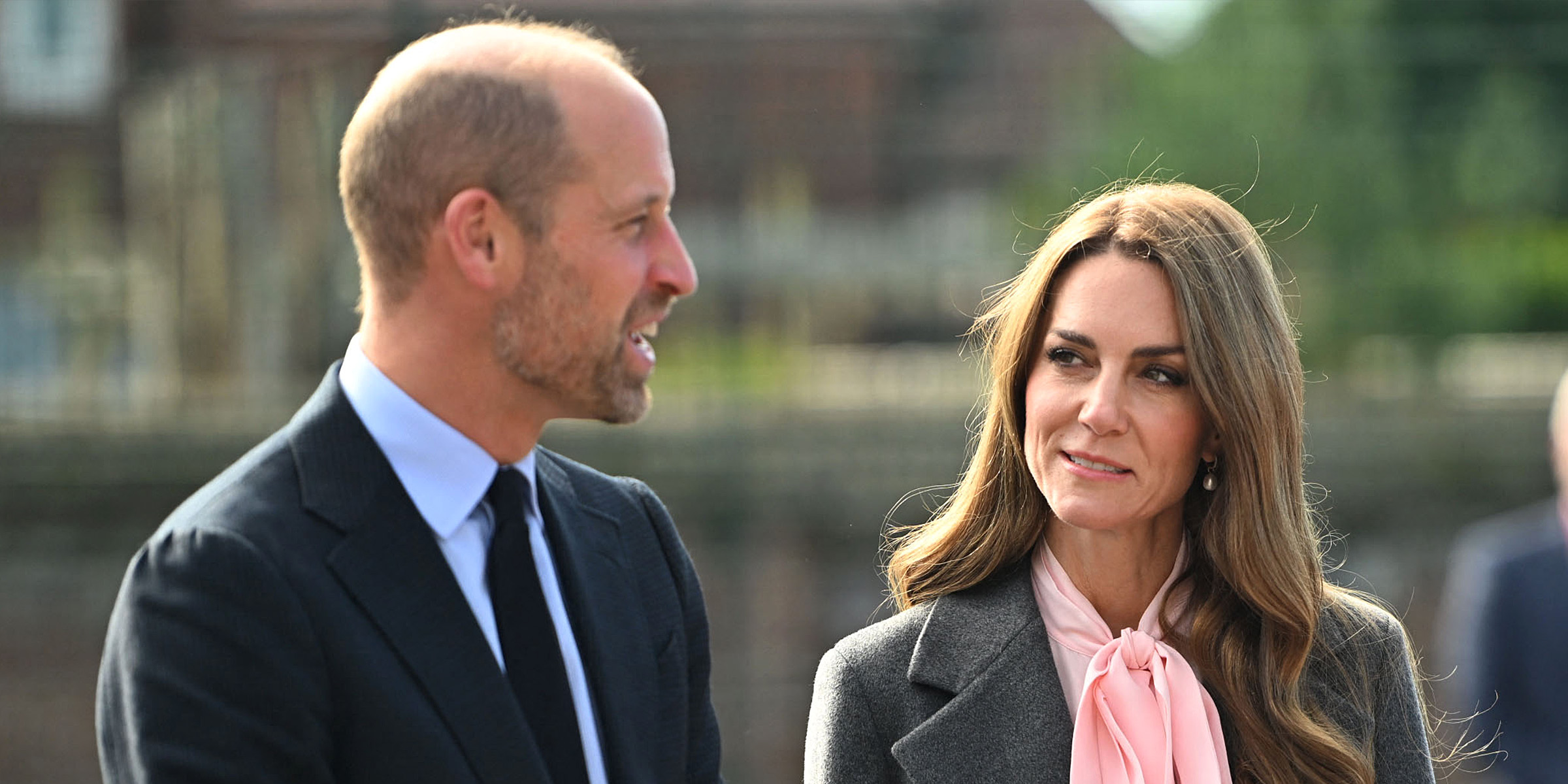
Prince William is signaling a quieter kind of modernization: not flashy reinvention, but a steady shift in priorities, language, and leadership style. Between public duty and private routine, he and Princess Catherine appear to be shaping a monarchy that feels more human.
When Prince William speaks candidly, it tends to land with extra weight, precisely because he does it so rarely. That’s why his recent comments about change have stood out. In conversation that included actor Eugene Levy, William made it clear he wants evolution, not for spectacle, but for impact.
Rather than rejecting royal tradition, William appears to be rebalancing it. The message is subtle but consistent: keep what matters, question what doesn’t, and aim the institution toward practical good.

Prince William, Prince of Wales listens as he visits Matter, a pioneer in sustainable technology and a 2025 Earthshot Prize Finalist, on January 22, 2026 in Bristol, England. | Source: Getty Images
William’s approach to the future can be summed up by one line that has echoed across coverage of his remarks: “I enjoy change; I don’t fear it.” The sentiment is revealing not because it’s radical, but because it’s personal. He frames history as something that can become heavy if you let it, describing how tradition can feel like an anchor that holds you in place rather than guiding you forward.
That mindset suggests a leadership style rooted in evaluation. Not change for change’s sake, but change because it improves outcomes, especially when the royal family’s influence is mostly symbolic and philanthropic.
The shift William describes is often misunderstood as criticism of the current monarch. But historian Robert Lacey has emphasized that William’s vision should not be read as a swipe at King Charles and that the Prince of Wales remains close to his father and has been an important supporter.
In other words, continuity still matters. William seems to be aiming for a “both-and” model: respect the structure, refine the strategy.
One of the clearest signals of modernity is not policy, but parenting. William has shared rare details about family life with Princess Catherine: dinners together most evenings, no-phone rules, and an emphasis on open conversation with their children.
That kind of openness stands in contrast to the royal family’s old reputation for emotional silence, a habit biographer Sally Bedell Smith has described as “ostriching,” where difficult feelings are avoided rather than addressed.
William’s message is that stability is built on communication, not appearance, and that starting children with a healthy home environment matters.
William has also expressed discomfort with some of the ceremony surrounding royalty, and he’s been frank about the kind of leadership he believes the world needs more of. In his comments, he has emphasized impact-focused philanthropy, collaboration, and convening power, with a special stress on empathy as a leadership tool.
This is where he and Catherine’s approach becomes especially clear: fewer projects, deeper commitment. The goal is not to be everywhere, but to make certain efforts truly count.
Even a carefully selected portfolio comes with risk. William’s two major initiatives, the Earthshot Prize and Homewards, are ambitious and highly visible, and that visibility can bring political entanglements even when the intent is humanitarian.
The modern approach, then, is not to pretend these complications do not exist, but to work through them with credibility and consistency. A future king does not have the luxury of being careless about perception, but he also cannot be effective if he is paralyzed by it.
Looking forward, William has said that he and the Princess of Wales hope to take on more public duties together next year, with an intention to bring something distinctive to the organizations they support.
That “together” element matters. Catherine’s presence has long been a stabilizing force in public perception, and the pair’s shared image, calm, contained, and consistent, has become part of how they project modernity without loud declarations.
Prince William and Princess Catherine are not selling a revolution. They’re building a quieter recalibration: a monarchy that feels more accessible, more emotionally literate, and more focused on measurable good.
By speaking a little more personally, emphasizing empathy, and choosing fewer, higher-impact priorities, William is sketching a future that honors tradition while refusing to be trapped by it.